Getting Started > Understanding child development
What to Expect from 0–5 Years
The early years of a child’s life are a period of rapid and meaningful growth across many areas such as physical, emotional, social, cognitive, and language development. During this time, children are constantly learning, adapting, and making sense of the world around them in ways that may not always be obvious.
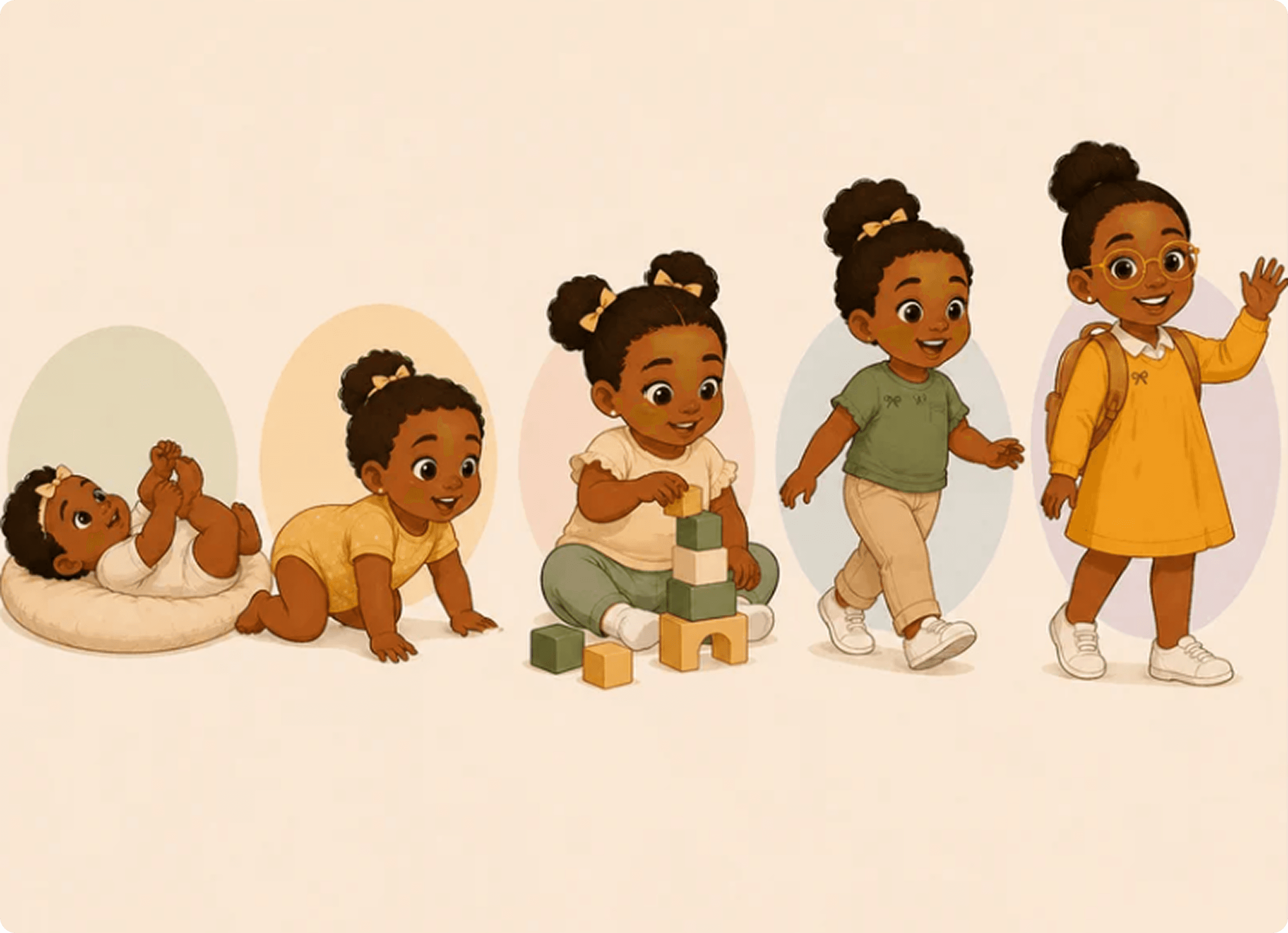
It’s important to understand that development is not a straight path. Each child grows at their own pace, and progress often happens in waves with moments of quick advancement, pauses, and even seeming setbacks. These shifts are a natural part of how children develop, as skills build gradually and lay the foundation for future learning.
Core Developmental Milestones by Age:
| Age | 0 - 1 Year |
|---|---|
| Physical | Rolls over, sits up, and begins crawling as weeks turn into months. |
| Cognitive | Uses eye movement to explore and track surroundings. |
| Emotional/Social | Forms strong bonds with caregivers and may show a preference for one. |
| Language | Begins cooing and may say first words toward the end of this stage. |
At this stage, focus on observing rather than comparing. Your baby’s pace is uniquely theirs. Celebrate each little effort like reaching, rolling, or responding to your voice, rather than waiting for “milestones.” Offer safe, sensory-rich environments and plenty of tummy time. If a new skill fades briefly, don’t panic, your baby may just be working on something else underneath the surface.
| Age | 1 - 2 Year |
|---|---|
| Physical | Pulls up to stand, cruises along furniture, and starts walking independently. |
| Cognitive | Understands object permanence; knows things exist even when out of sight. |
| Emotional/Social | Separation anxiety often appears during this stage. |
| Language | Vocabulary grows rapidly; may say between 10 to 50 words. |
Toddlers are busy explorers, so give them space to try, fall, and try again. Notice their effort in pulling up, babbling, or stacking blocks. Don’t worry if another child walks sooner or says more words, every child builds at their own speed. Provide simple toys that encourage movement and problem-solving. Regression is often a sign of a leap coming soon.
| Age | 2 - 3 Year |
|---|---|
| Physical | Runs, climbs, and enjoys testing physical limits. |
| Cognitive | Engages in pretend play and imitates real-life activities. |
| Emotional/Social | Begins asserting independence and preferences ("me do it!"). |
| Language | Starts forming simple sentences and expressing wants and needs. |
This is the “I do it!” phase. Your child is building independence, and the best thing you can do is let them try. Celebrate attempts, not just successes, whether they’re speaking in short sentences or putting on shoes. Offer choices and playful challenges. Skills might pause or shift focus, but trust the process. They’re still building beneath the surface.
| Age | 3 - 4 Year |
|---|---|
| Physical | Improved fine motor skills; can use scissors, draw shapes, or thread beads. |
| Cognitive | Begins using basic problem-solving in play and daily tasks. |
| Emotional/Social | Enjoys playing with other children; starts understanding turn-taking. |
| Language | Asks lots of questions and explores the world through conversation. |
Support their curiosity by giving them time and tools to explore. Puzzles, pretend play, and creative crafts are great for this age. Encourage questions and praise their persistence more than the outcome. Notice patterns: if they’re suddenly clingy or frustrated, it may signal internal growth. Your calm attention matters more than keeping them “on track.”
| Age | 4 - 5 Year |
|---|---|
| Physical | Can hop, balance on one foot, and begin writing their name. |
| Cognitive | Makes simple plans, remembers past events, and connects ideas. |
| Emotional/Social | Shows empathy, engages in complex role play, and understands feelings. |
| Language | Tells detailed stories and talks creatively about imaginary ideas. |
Your child is becoming more social, verbal, and imaginative. Let that shine. Applaud the effort in storytelling, drawing, or negotiating with friends. Avoid comparisons with peers, and focus on how your child is growing in confidence and creativity. Offer tools for planning and expression, and don’t stress over small regressions.
Understanding Child Development: Why Early Years Matter – Brain, Body, Emotions
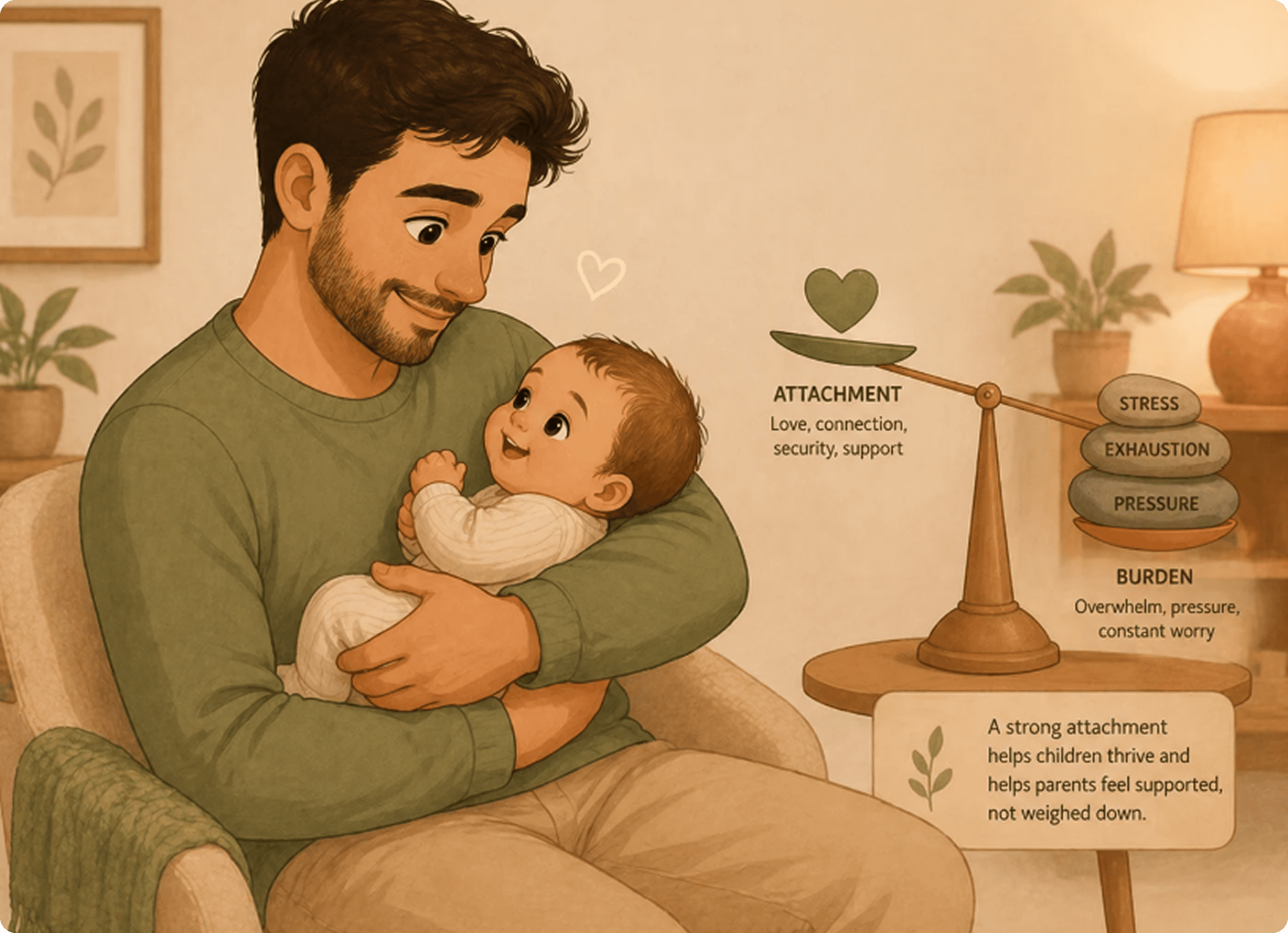
The early years of a child’s life are not just important - they are foundational. By the age of five, a child’s brain is already about 90% developed, meaning most of the core wiring for how they think, feel, and respond to the world is being formed during this time. This development doesn’t happen automatically, it is shaped by everyday experiences. Simple, consistent interactions like being comforted when they cry, hearing familiar voices, playing, and exploring their environment all help build strong neural connections in the brain. Research in early childhood development consistently shows that responsive caregiving and safe, engaging environments are key to healthy brain development. Children may not remember these early moments, but their brains and bodies do. These experiences shape how they feel about themselves, how they trust others, and how they approach learning and relationships later in life. For example, repeated stress - such as harsh responses or neglect - can wire the brain for fear and anxiety. On the other hand, consistent love, attention, and support help build confidence, emotional security, and curiosity. As a parent or caregiver, your everyday actions matter more than perfection. Being present and responsive builds trust. Talking to your child - even before they can respond - strengthens language and cognitive development. Physical touch, eye contact, and a calm, reassuring tone help form secure emotional connections. And creating space for real-world interaction, rather than relying heavily on screens, allows your child’s brain to develop through movement, play, and human connection. In these early years, you are not just caring for a child, you are helping shape the foundation of who they will become.